
What's up with canyoneering ratings!?
Have you ever spent longer in a canyon than you anticipated or wondered whether you were ready to take on a more challenging canyon? Canyoneering ratings should help resolve these issues, but more often than not they don't! What's up with canyoneering ratings!?
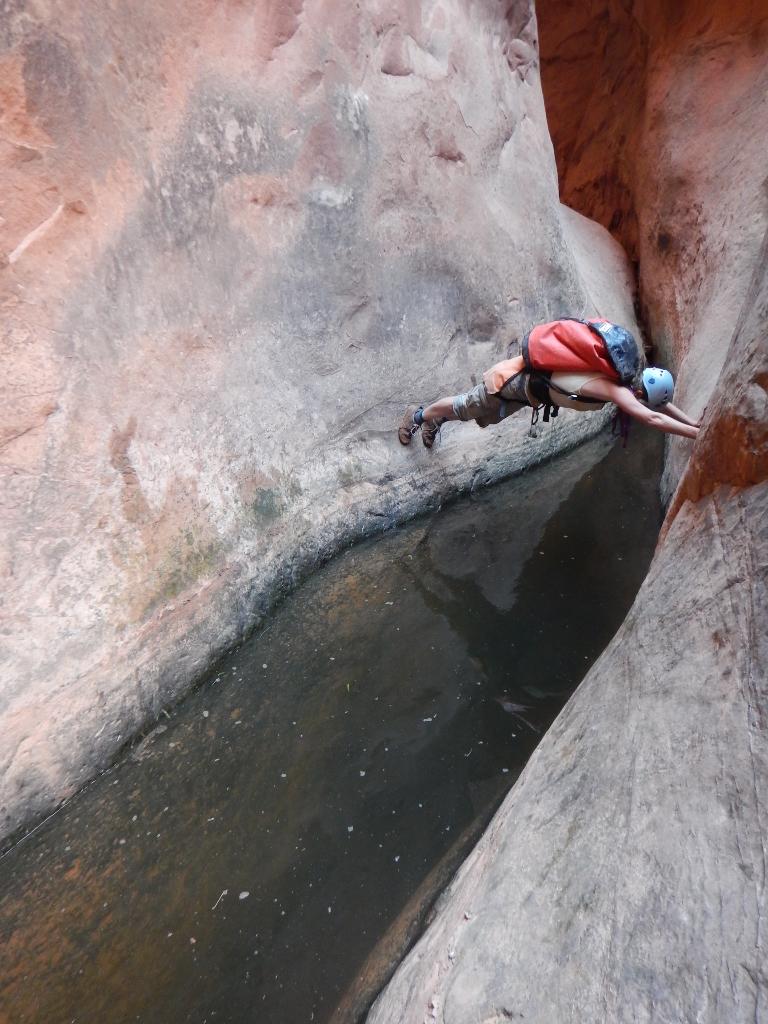
Arggh!! Canyoneering ratings!!
Coming from a climbing background, I find canyoneering ratings very unhelpful. Climbing ratings can be sandbagged or soft, but there is still an orderly progression; if you get shut down on a 5.10c, you know what to try next.
Canyoneering ratings convey very precise and limited information. Class 3 indicates that a rope will be required for rappels, and class 4 means very advanced technical skills. Most canyons on the Colorado Plateau are rated class 3, but that certainly doesn’t mean they are all equally challenging! Two problems arise: daring people feel overly confident, and cautious people are never sure if they are ready for the "next big thing."
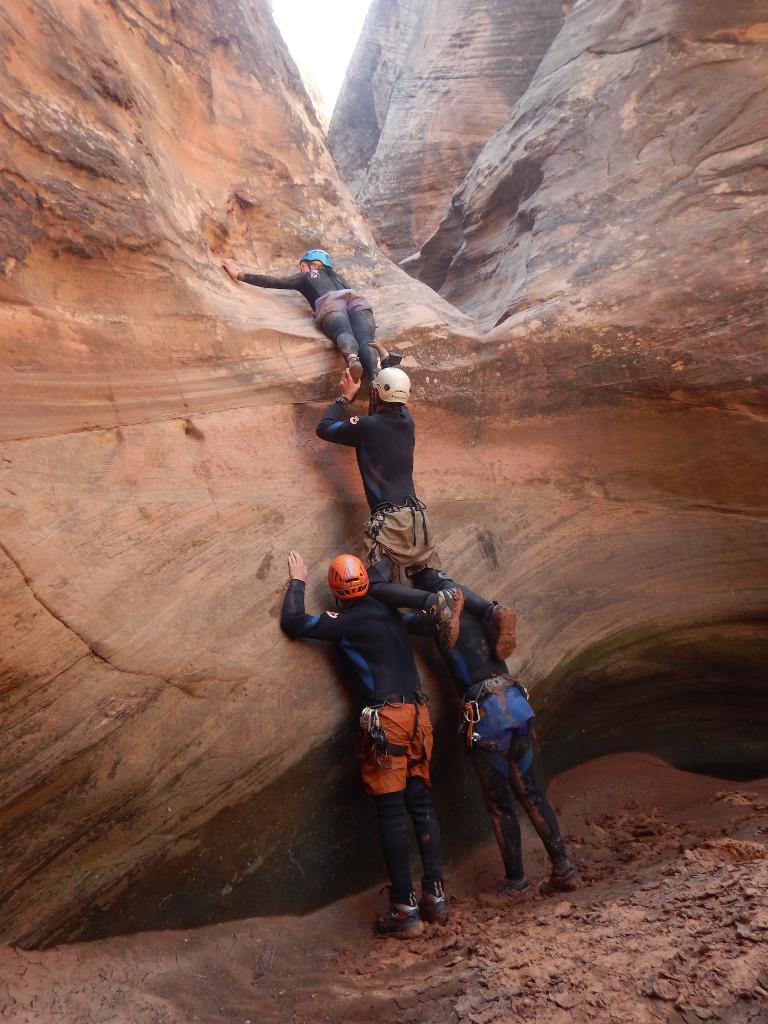
What are “intermediate” canyoneering skills?
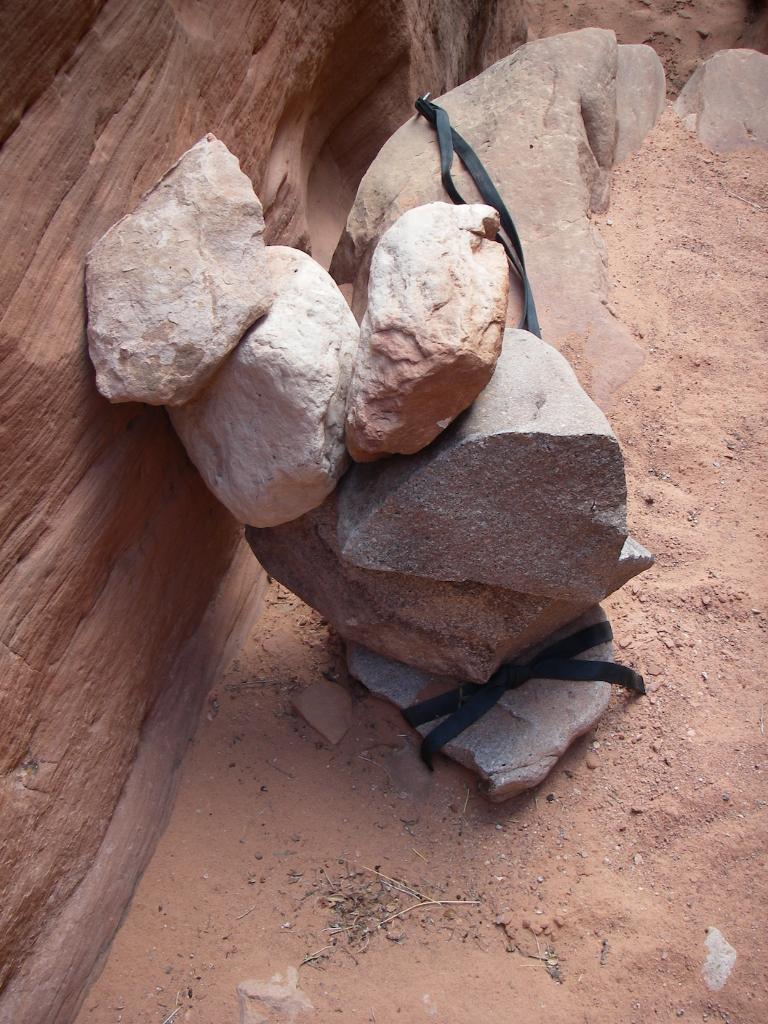
Difficulty comes down to two things. The first is technical skills: building anchors, escaping potholes, and basic rescue. Efficiency is key. Check out Road Trip Ryan’s suggestions to increase your canyoneering efficiency.
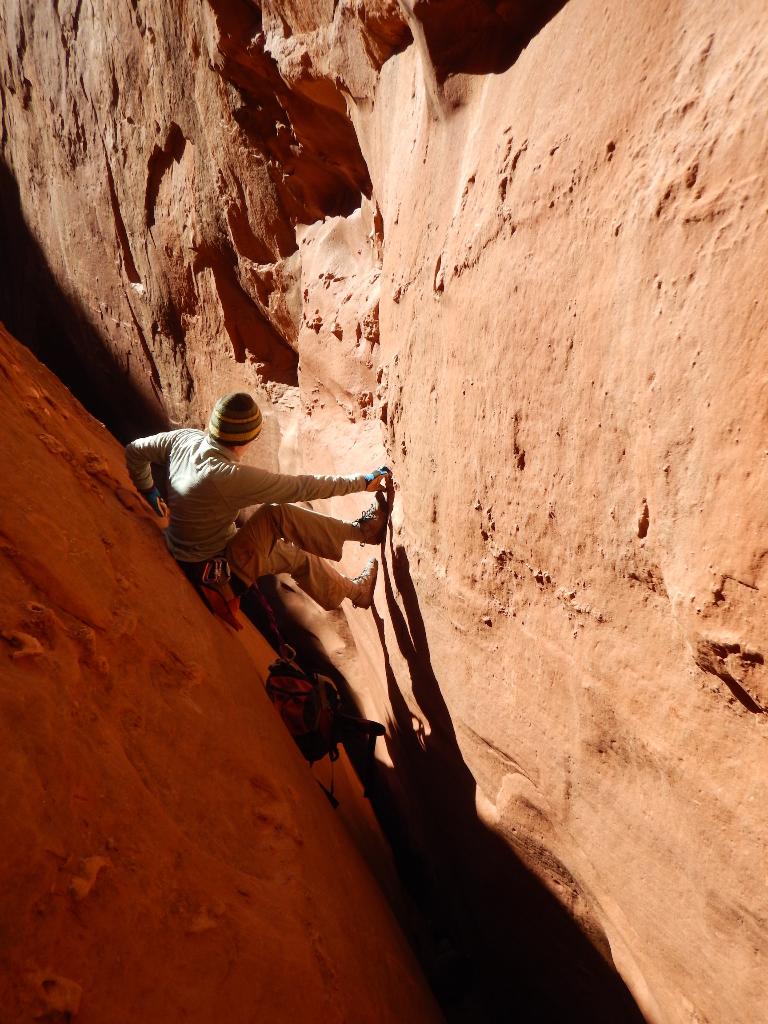
The second factor is physical skills. I found downclimbs awkward and challenging when I started out. High stemming still gives me the spooks sometimes, even after 50+ canyons. For someone new to canyons, a Class 2 canyon with a lot of downclimbs may be more challenging than a simple Class 3!
What canyon are you ready for?
Before deciding on a canyon, read the descriptions. If the group doesn’t have the technical skills or can’t deploy them efficiently, the canyon will take longer than the posted time. Potentially a lot longer.
Start slow. Assume you are a beginner and gradually work your way up. Don’t assume that a fast time in one type of canyon (like one with straight-forward rappels) will translate into a fast time in another.
Closing Thoughts
Make sure you understand the nature of a new challenge, whether it be technical or physical. Start with shorter canyons and start early in the morning so you have the luxury of moving slowly through obstacles.
Read through Ryan’s canyoneering primer and tips for efficiency. Canyoneering deserves respect—especially considering that it can be impossible to bail from many canyons once you start.